
PeerLogic: Multi-Channel AI Scheduling and Patient Engagement
Role and Context
PeerLogic became my primary full-time Datics client engagement in 2022 while I also contributed to other Datics projects. After relocating physically to the United States and leaving Datics in 2024, I continued with PeerLogic through 2025. The work focused on applied AI systems for dental practices, where a successful workflow had to coordinate natural-language conversations, real appointment availability, practice-management data, telephony providers, and human staff.
My engineering scope covered back-end services, multi-agent orchestration, third-party integrations, cloud functions, and the Vue.js surfaces used to understand and operate those workflows.
Conversational AI Architecture
I designed LLM-powered workflows with LangChain and LangGraph, separating intent routing, scheduling, follow-up, and escalation into bounded responsibilities. Structured state carried verified patient and appointment context between steps so downstream agents did not have to infer critical data from conversation history alone.
Key Engineering Contributions
- Built multi-agent scheduling flows across SMS and voice channels
- Integrated NexHealth and telephony platforms including GoTo, Bandwidth, NetSapiens, and RingCentral
- Implemented webhook and audio-processing pipelines with resilient retries and observable failure handling
- Developed Google Cloud Functions for transcript processing and operational insights
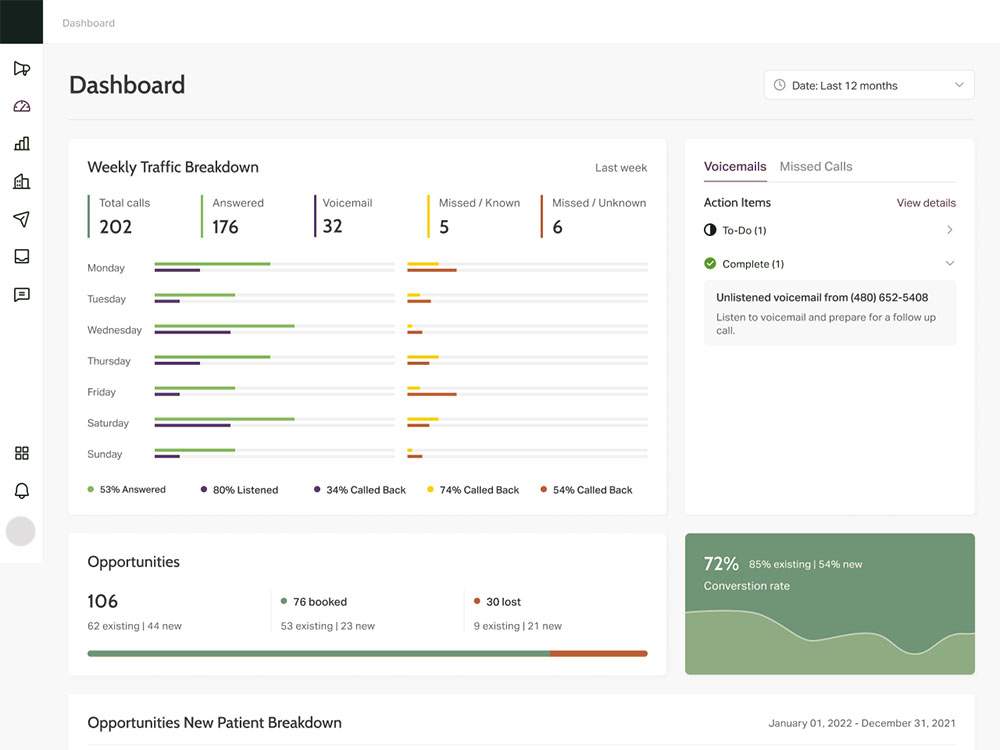
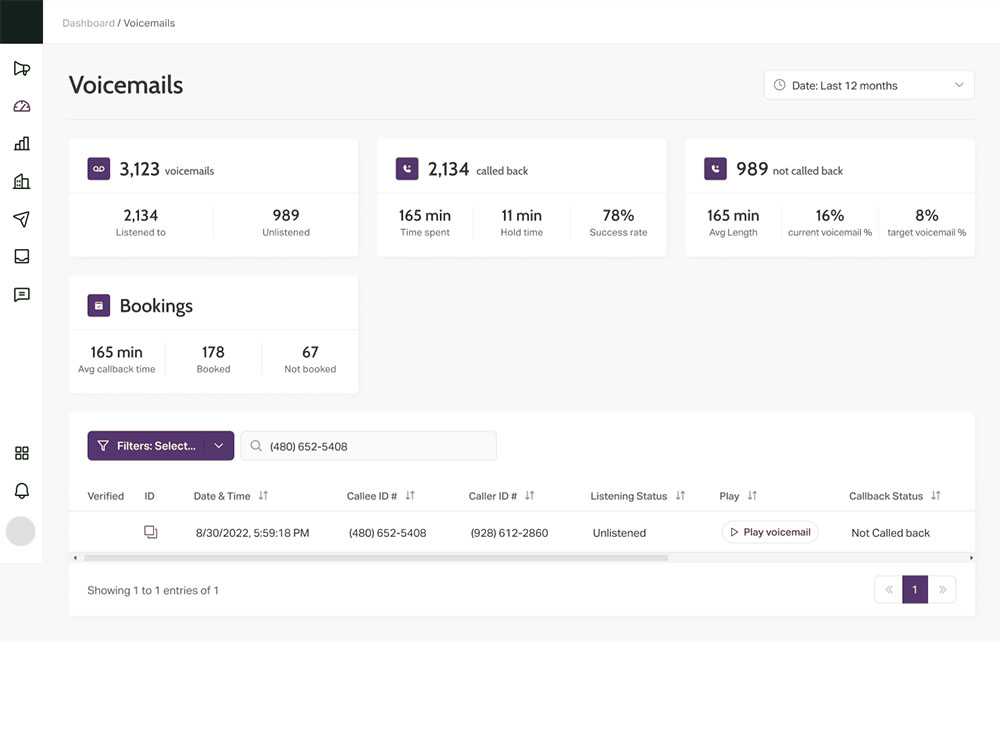
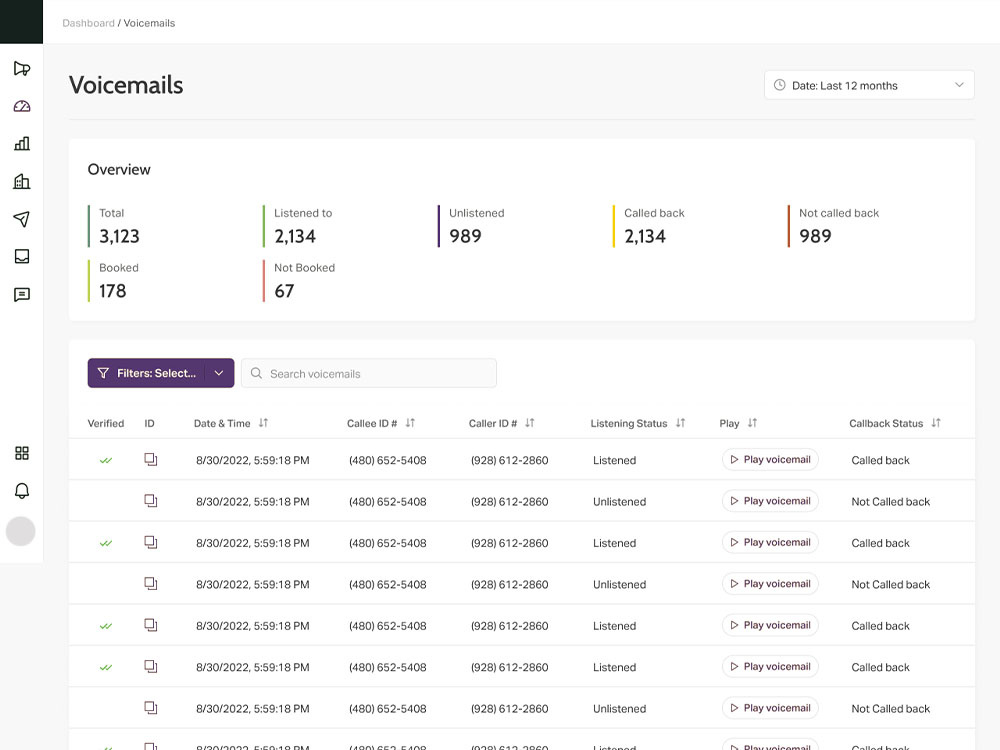
- Built Vue.js interfaces for workflow configuration and review
- Added GitHub Actions delivery automation and production telemetry
Integration Design
External systems were kept behind normalized adapters. This made it possible to handle provider-specific authentication, event schemas, retry rules, and availability behavior without coupling the conversational workflow to one vendor. Webhook processing was designed to be idempotent so duplicate delivery could not create duplicate actions.
Production Constraints
Patient engagement is sensitive to both latency and correctness. The system needed clear handoff behavior when availability could not be confirmed, an integration was unavailable, or the user changed intent mid-conversation. Structured logging and operational views made it possible to reconstruct a conversation and identify whether a problem came from routing, an external API, or the dialogue flow.
Outcome
The platform turned disconnected communication and scheduling systems into a coherent AI-assisted workflow. Dental teams gained automated appointment handling and follow-up while retaining operational visibility and human escalation for cases that should not be completed autonomously.